Best Foods for Prostate Health are usually the same foods that support your heart and help you keep a healthy weight. What you eat can’t “fix” prostate problems overnight, but a healthy diet can support prostate health over time and help you feel better day to day.
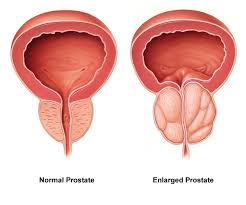
Your prostate is a small gland below the bladder. As men get older, it can change and sometimes lead to prostate problems, including an enlarged prostate (benign prostatic hyperplasia, or BPH). A strong plan is to focus on simple, repeatable food choices you can stick with.
Below is a practical list you can use as a guide, plus a few foods to limit and a simple meal plan idea.
Foods that support prostate health
A good rule: aim for a balanced diet with more plants, more fiber, and fewer processed foods. If your plate is mostly brown, add color.
1) Cruciferous vegetables
These are the “broccoli family” vegetables. They are easy to add to meals and a great habit for overall health.
Examples:
- Broccoli
- Brussels sprouts
- Bok choy
- Cabbage
- Cauliflower
Quick tip: roast broccoli or Brussels sprouts with a little olive oil and pepper for an easy side.
2) Berries and other colorful fruits
Berries are a simple way to add fiber and vitamin C. They also contain natural plant compounds that help protect healthy cells from free radicals (unstable molecules that can damage cells over time).
Good choices:
- Blueberries, strawberries, raspberries
- Cherries
- Apples, pears, oranges
If fruit is hard to keep fresh, frozen berries are a great option.
3) Whole grains
Whole grains support a healthy diet because they add fiber and help you stay full. They also fit well with a Mediterranean diet pattern.
Try:
- Oatmeal
- Brown rice
- Whole-wheat bread or pasta
- Quinoa
Easy swap: choose whole-grain bread instead of white bread.
4) Healthy fats
Not all fats are the same. Healthy fats can support heart health, which matters because heart disease and prostate problems often show up in the same stage of life.
Better fat choices:
- Olive oil
- Nuts and seeds (including flaxseeds)
- Avocado
Tip: add ground flaxseeds to oatmeal or yogurt.
5) Omega-3 fatty acids
Omega-3 fatty acids are found in fatty fish and are often included in heart-healthy eating plans.
Examples:
- Salmon
- Sardines
- Trout
- Mackerel
If you don’t eat fish, talk with a healthcare professional before starting supplements. Supplements can have side effects and may not be right for everyone.
6) Lean proteins
Protein helps you stay full and supports muscle, especially if you are trying to keep a healthy weight.
Good options:
- Fish
- Chicken or turkey
- Beans and lentils
- Tofu
If you eat red meat, keep portions smaller and don’t make it the main protein at most meals.
7) Green tea, turmeric, and peppers
Your original list included these, and they can fit into a healthy diet:
- Green tea is an easy swap for sugary drinks.
- Turmeric can be added to soups, eggs, rice, or roasted vegetables.
- Peppers (including cayenne) add flavor without heavy sauces.
If spicy foods bother your stomach, keep portions small.
8) Brazil nuts (in small amounts)
Brazil nuts contain selenium and other nutrients. They are very rich, so you only need a small amount. One or two nuts a day is plenty for most people.
Foods to limit for prostate health
You don’t need to cut everything out. The goal is to limit items that can make it harder to keep a healthy weight and support overall health.
Processed foods
Processed foods can be high in salt, added sugar, and unhealthy fats.
Common examples:
- Fast food and fried foods
- Packaged snack foods
- Sugary drinks
- Many frozen “ready meals”
Red meat and processed meats
Many health groups suggest limiting red meat and eating very little processed meat as part of a healthy diet pattern. American Cancer Society+1
Practical guide:
- Choose smaller portions of red meat
- Pick lean cuts
- Try to replace some red meat meals with fish, beans, or poultry
Saturated fats and some dairy products
Saturated fats are found in foods like butter, fatty cuts of meat, and some full-fat dairy products. You don’t have to avoid dairy, but watch portion sizes and choose options that fit your goals.
Simple swaps:
- Use olive oil instead of butter more often
- Choose lean proteins
- Keep high-fat sauces and fried foods as “sometimes” foods
Alcohol consumption
Alcohol can add calories quickly and may affect sleep. Limiting alcohol can support weight loss and overall health.
Prostate enlargement (BPH) and symptoms to watch
An enlarged prostate (benign prostatic hyperplasia) is common with age. It is not cancer, but it can cause bothersome bladder symptoms and change your urine stream.
Signs that are worth bringing up to a healthcare provider include:
- Weak urine stream
- Trouble starting urination
- Feeling like you can’t empty your bladder
- Frequent urination, especially at night NIDDK
Diet may help support comfort and quality of life, but it won’t replace an exam, urine testing (when needed), or treatment options if symptoms are getting worse.
A simple “Healthy Prostate” eating plan
If you want a clear plan that’s easy to follow, try this plate idea most days:
- Half your plate: vegetables (include cruciferous vegetables often)
- One quarter: whole grains
- One quarter: lean proteins
- Add healthy fats: olive oil, nuts, seeds (small amounts)
Easy meal ideas:
- Oatmeal + berries + ground flaxseeds
- Salmon + brown rice + broccoli
- Turkey and bean chili + side salad
- Stir-fry with bok choy + peppers + chicken or tofu
Don’t forget lifestyle habits
Food works best with these basics:
- Regular exercise and physical activity (walking counts)
- Keeping a healthy weight
- Good sleep
If you have questions about PSA levels (prostate specific antigen), prostate cancer risk, or prostate enlargement, a healthcare professional can help you understand what your numbers and symptoms mean and what the next step should be.
This article is for education and is not medical advice—if you have prostate symptoms or concerns, get evaluated and build your meals around the Best Foods for Prostate Health.