Frequent night urination, also known as nighttime urinary frequency or nocturia, is a common issue for many men. Waking up several times to pass urine can disrupt sleep, impact quality of life, and signal an underlying condition. Some causes are related to the bladder or prostate, while others involve sleep disorders, lifestyle factors, medications, or overall health. Arkansas Urology provides care for men across Arkansas who want clearer answers and a treatment plan that supports better sleep and long-term health.
If nighttime bathroom trips are becoming routine, it may be time to talk with a healthcare professional who can help identify what is contributing to the problem.
What is Frequent Nighttime Urination?
Nighttime urination varies from person to person. Some men wake once or twice, while others wake several times. Common signs include:
- Waking multiple times during the night to pass urine
- Producing either small or large amounts of urine
- Urgent need that interrupts sleep
- Weak urine flow or other lower urinary tract symptoms
- Sleep disruption and fatigue during the day
Although many older men experience these symptoms, frequent nighttime urination is not always a normal part of aging. When it becomes a pattern, it often points to a contributing factor that can be treated.
Most Common Causes in Men
Men are more likely to experience frequent nighttime urination due to anatomy, prostate changes, and certain health conditions. While some causes are simple, others may require medical treatment.
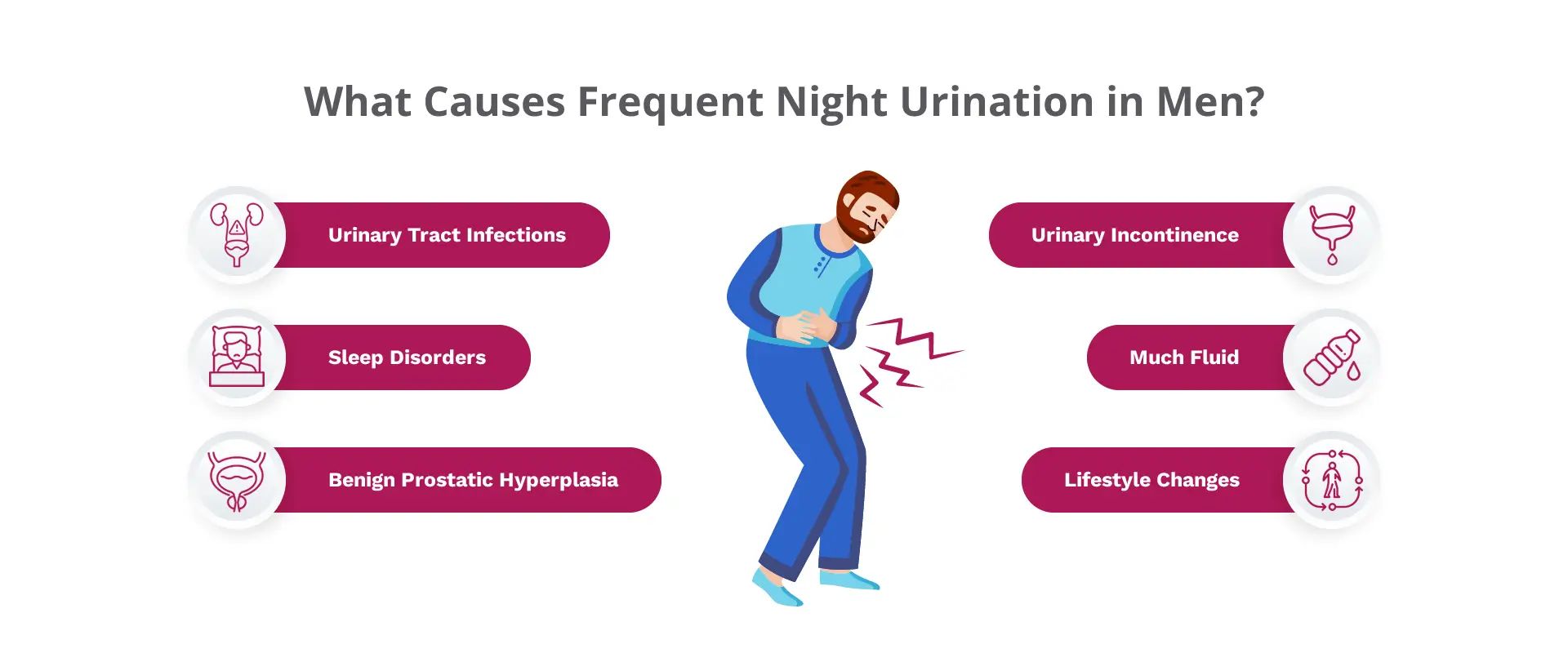
Benign Prostatic Hyperplasia
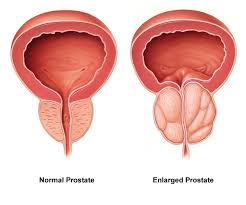
Benign prostatic hyperplasia (BPH) is the most common cause of nighttime urination in men. As the prostate enlarges, it can press against the urethra and reduce urine flow. This leads to incomplete emptying of the bladder, so more urine remains inside after each trip. Men often notice weaker flow, hesitancy, and the need to urinate more often overnight.
Arkansas Urology provides evaluation and care for men experiencing prostate enlargement and lower urinary tract symptoms.
Urinary Tract Infections
Urinary tract infections are less common in men but can be more serious when they occur. Infection can irritate the bladder and increase urinary frequency, including at night. Symptoms may include burning, pelvic discomfort, or foul-smelling urine. A urine culture or blood test may be used to confirm infection.
Urinary Incontinence
Urinary incontinence can cause frequent nighttime urination, especially when the bladder muscles or pelvic floor muscles are weak. Urge incontinence or reduced bladder control may lead to waking up more often to prevent leakage. Pelvic floor exercises and lifestyle changes may help manage symptoms.
Interstitial Cystitis and Bladder Irritation
Inflammation inside the bladder can cause frequent urination during the day and night. Men may experience pelvic pain, pressure, and a strong need to urinate even when the bladder is not full. This condition is long term but manageable with the right treatment plan.
Bladder or Prostate Cancer
Bladder cancer or prostate cancer may cause urinary symptoms such as frequent urination, weak stream, blood in the urine, or nighttime urgency. These conditions are not the most common causes of nighttime urination, but it is important to rule them out when symptoms persist.
Fluid, Kidney, and Body-Wide Causes
Not all causes are related to the bladder or prostate. Some involve how the body processes fluid.
Nocturnal Polyuria
Nocturnal polyuria occurs when the body produces too much urine overnight. This can happen when:
- The body retains excess fluid during the day
- There is swelling in the legs (peripheral edema)
- Water pills increase urine output
- High blood pressure affects kidney function
- The body produces too much urine due to diabetes insipidus
This condition is more common in older adults and older men in particular.
Kidney Function Changes
Kidney diseases and changes in kidney function may increase urine output during a 24-hour period. When the kidneys filter too much fluid into the bloodstream, men may produce much urine day and night. Managing blood glucose and overall health can play a role.
Sleep-Related Causes
Sleep plays a major role in nighttime urination. Even when the bladder is not full, sleep disorders can increase the number of nighttime bathroom trips.
Obstructive Sleep Apnea
Obstructive sleep apnea is a common contributing factor. Breathing interruptions affect hormone levels involved in urine production. Men with sleep apnea often wake several times each night, increasing awareness of bladder sensations. A sleep study may be recommended if symptoms suggest sleep apnea.
Sleep Disturbances and Lifestyle Habits
Poor sleep, afternoon naps, inconsistent bedtime routines, or nighttime disruptions can make nighttime urination worse. Improving sleep hygiene may reduce nighttime trips.
Heart and Metabolic Conditions
Heart Disease and Congestive Heart Failure
Heart disease and congestive heart failure can increase nighttime urination due to changes in fluid circulation. During the day, fluid may collect in the legs. At bedtime, this excess fluid returns to the bloodstream and increases urine production.
Compression stockings or compression socks during the day may help reduce fluid buildup.
Diabetes and Blood Glucose Changes
High blood glucose can increase urine output and worsen nighttime urination. Men with diabetes may produce more urine than usual because the body produces extra fluid to remove excess glucose.
Medications That Increase Nighttime Urination
Certain medications may cause nighttime urination as a side effect. Common examples include:
- Water pills used for high blood pressure or heart disease
- Calcium channel blockers
- Medications that change how much fluid the body produces
If medication is contributing to nighttime urination, a healthcare provider can review options.
Is Frequent Night Urination a Normal Part of Aging?
It is common for older people to wake once at night, but waking multiple times is not always a normal part of the aging process. Frequent nighttime urination often points to an underlying health condition or lifestyle habits that can be addressed. Risk factors such as prostate enlargement, sleep disorders, and fluid retention become more common with age, but treatment is still available.
How Healthcare Providers Diagnose the Cause
A healthcare provider may begin with a physical examination and a detailed medical history. A bladder diary can help track the number of times you wake and the amount of urine produced. Urine culture and blood tests may help identify infection, kidney issues, or underlying medical condition. Some men may benefit from Urodynamic testing to evaluate bladder control and urine flow.
Treatment Options for Frequent Nighttime Urination
Treatment depends on the underlying cause and how often symptoms occur.
Lifestyle Changes
- Improving sleep hygiene
- Adjusting bedtime routines
- Managing evening fluid intake and lifestyle habits
- Reducing salt, caffeine, and alcohol
- Elevating legs or using compression stockings to reduce peripheral edema
Bladder and Pelvic Floor Treatments
- Bladder training
- Pelvic floor exercises and Kegel exercises
- Physical therapy to improve bladder control
Medical Treatment
- Medication for prostate enlargement
- Treatment for urinary tract infections
- Adjusting medications that cause increased urine output
- Managing heart disease, diabetes insipidus, or kidney concerns
Treating Sleep-Related Issues
- Addressing sleep disorders
- Treating obstructive sleep apnea
- Improving sleep quality for better rest
When to Contact Arkansas Urology
You should consider seeking care if you wake several times at night, experience new urinary symptoms, or feel your sleep quality is declining. Arkansas Urology can help determine whether the cause is prostate related, bladder related, sleep related, or connected to another underlying condition.
Our Providers
Arkansas Urology’s providers deliver patient-focused care for men experiencing nighttime urination or other urinary symptoms. This section will highlight providers who evaluate and treat frequent nighttime urination and the urological condition causing it.
Take the Next Step
Frequent nighttime urination does not need to interfere with rest or daily routines. Identifying the underlying cause is the first step toward better sleep and improved health. To begin your evaluation, schedule an appointment with Arkansas Urology. Our team can help you move toward better sleep and better bladder health.