At Arkansas Urology, we help men take control of their health through awareness, education, and preventive care. Prostate cancer is one of the most common cancers in men, and understanding how often it occurs can help men make informed choices about screening and care.
Across the United States, prostate cancer affects a significant number of men each year. According to the American Cancer Society, about one in eight men will receive a prostate cancer diagnosis during their lifetime. It is the most frequently diagnosed non-skin cancer among men and one of the leading causes of cancer death. However, most prostate cancers are detected early, when treatment is most effective and long-term survival rates are high. The five-year survival rate for localized prostate cancer is close to 100%.
Although these statistics highlight how common prostate cancer is, they also show how effective early detection can be. Many men with prostate cancer never experience symptoms and live long, healthy lives with proper monitoring. Regular prostate cancer screening is the key to catching changes in the prostate before cancer becomes more advanced. Arkansas Urology encourages men, especially those over 50 or at higher risk, to speak with a urologist about routine screening.
How Common Is Prostate Cancer in the U.S. and Arkansas?
Each year, nearly 300,000 new prostate cancer cases are diagnosed in the United States, according to the National Cancer Institute. This makes prostate cancer the second most common cancer among American men, behind only skin cancer. About 1 in 44 men will die from the disease, but that rate has dropped significantly in recent years thanks to improved diagnostic tests and prostate cancer treatment advancements.
In Arkansas, prostate cancer trends closely follow the national averages. It remains one of the most frequently diagnosed cancers among men across the state. Arkansas Urology plays an active role in increasing awareness through statewide education and early detection initiatives. The organization regularly hosts prostate cancer screening events to make testing more accessible for men in both cities and smaller communities. These efforts have helped detect early prostate cancer in men who might not have known they were at risk.
While prostate cancer can develop in any man, the likelihood of diagnosis rises with age, family history, and lifestyle risk factors. Awareness and regular screenings are essential for maintaining long-term health and ensuring prostate cancer is caught when it’s easiest to treat. Visit Arkansas Urology’s Prostate Cancer page for more information.
Understanding Prostate Cancer Risk Factors
Every man has some risk of prostate cancer, but certain factors can increase the likelihood of developing the disease. These include age, family history, race, and lifestyle choices. The overall lifetime risk of being diagnosed with prostate cancer is about one in eight, but the chance of dying from it is far lower, around one in forty-four. Men with multiple risk factors have a greater risk and should begin screening earlier.
Common prostate cancer risk factors include:
- Being over age 50
- Having a close relative with prostate cancer
- Being of African American descent
- Obesity or poor diet
- Limited physical activity
Discussing personal risk factors with a urologist helps men create a screening plan that fits their health profile and ensures early detection if changes occur. Learn more about prostate cancer and screening options.
Prostate Cancer and Age: When Risk Increases
Prostate cancer becomes more common as men age. It is rare in men under 40, but the risk rises steadily beginning around age 50. The majority of prostate cancer cases occur in men over 65, as natural changes in hormone levels and prostate cell growth occur. Men in their 50s and early 60s are encouraged to begin prostate cancer screening discussions with their urologist, particularly if they have risk factors.
Family History and Hereditary Risk
A man’s family history can have a strong influence on his prostate cancer risk. Those with a father, brother, or son who has been diagnosed with prostate cancer are at a higher risk themselves. The risk doubles if two or more close relatives have been affected, especially if the diagnosis occurred before age 65. This increased likelihood is thought to be linked to inherited genes and shared environmental factors.
Men with a family history should begin prostate cancer screening earlier than the general population. In many cases, urologists recommend starting PSA testing and physical exams around age 40 to detect any early signs of cancer development. Talking with a healthcare provider can help determine the right schedule based on personal and family medical history.
Arkansas Urology provides individualized screening plans for men who may be at higher risk. These personalized evaluations combine diagnostic tests, medical history reviews, and lifestyle guidance to help detect changes early and provide peace of mind. Visit Arkansas Urology’s Prostate Cancer page for details.
Lifestyle and Environmental Risk Factors
In addition to genetics, lifestyle can also influence prostate cancer risk. Research suggests that certain habits and environmental factors may contribute to the development or progression of prostate cancer:
- Diet: Eating large amounts of red or processed meat and limited fruits and vegetables can raise prostate cancer risk. A diet high in antioxidants, fiber, and plant-based foods can help support prostate health.
- Weight: Obesity is linked to aggressive forms of prostate cancer. Maintaining a healthy body weight through exercise and balanced nutrition can lower risk.
- Physical Activity: Regular movement improves circulation, hormone balance, and immune function, helping the body protect against abnormal cell growth.
- Smoking and Alcohol: Tobacco use and heavy drinking can damage cells and interfere with the body’s ability to heal, increasing the chance of cancer progression.
- Environmental Exposure: Men exposed to industrial chemicals or toxins may face slightly higher risks, though research is ongoing.
Maintaining healthy habits, along with regular medical checkups, helps lower overall cancer risk and supports prostate function.
Race and Ethnicity in Prostate Cancer Statistics
Studies have shown that African American men face a higher risk of being diagnosed with prostate cancer and are more likely to experience aggressive forms of the disease. They also face a higher mortality rate compared to men of other races. The reasons for this are not completely understood but may involve a combination of genetics, access to healthcare, and socioeconomic factors.
Because of this elevated risk, medical experts recommend that African American men begin prostate cancer screening earlier, typically starting around age 40 to 45. Arkansas Urology’s cancer care team is dedicated to promoting awareness among high-risk groups and offering easy access to early detection through statewide screening programs. Find more resources on prostate cancer.
How Common Is Advanced or Metastatic Prostate Cancer?
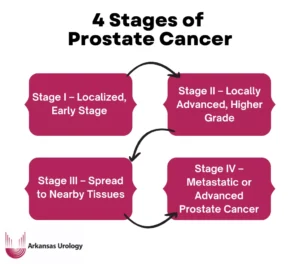
While most prostate cancers are detected in their early stages, some are not found until they have progressed to advanced prostate cancer or metastatic prostate cancer. These forms of the disease occur when cancer spreads beyond the prostate to nearby tissues, lymph nodes, or distant organs. Stage IV prostate cancer is less common today than in the past, largely due to better screening and earlier intervention.
According to national data, only a small percentage of cases are diagnosed at these later stages, yet they account for most prostate cancer deaths. Early screening remains the most reliable way to prevent advanced disease. Arkansas Urology’s cancer care team offers comprehensive evaluation and treatment for both early and advanced stages, helping patients manage symptoms and maintain quality of life. Learn about treatment options for prostate cancer.
Treatment Outlook
Most men diagnosed with prostate cancer today will live long and active lives. Common treatment options include radiation therapy, surgery, hormone therapy, and newer targeted or immunotherapy treatments. Each plan is personalized to the patient’s age, stage of cancer, and overall health. Arkansas Urology’s specialists focus on balancing effective cancer control with quality of life, ensuring each patient receives compassionate, informed care. Find out more about prostate cancer and available treatments.
Screening and Early Detection
Because prostate cancer often develops slowly and may not cause symptoms at first, screening is the best way to detect prostate cancer early. Two primary diagnostic tests are used to screen for prostate cancer: the prostate-specific antigen (PSA) blood test and the digital rectal exam (DRE). Together, these tests can identify changes that suggest the presence of cancer even before symptoms appear.
If screening results show elevated PSA levels or other concerns, a prostate biopsy or imaging study may be recommended. Detecting prostate cancer early helps doctors find it before it becomes advanced or metastatic, allowing for less invasive and more effective treatment options.
Arkansas Urology offers convenient access to these screening services across multiple locations throughout Arkansas. Patients can work with experienced urologists to determine when to begin testing and how often it should be repeated based on personal risk factors such as age and family history.
Living With and Preventing Prostate Cancer
Although prostate cancer cannot always be prevented, healthy lifestyle habits can reduce the likelihood of developing it. Maintaining a healthy weight, eating a diet rich in vegetables, whole grains, and lean proteins, and exercising regularly all contribute to better prostate health. Avoiding tobacco use and limiting alcohol consumption can also support the body’s ability to recover from illness and respond to treatment.
Regular checkups, awareness of family history, and open communication with a healthcare provider are key parts of prevention. Arkansas Urology encourages men of all ages to take an active role in their health through routine screenings and healthy living. More information about prevention is available on Arkansas Urology’s Prostate Cancer page.
Comprehensive Prostate Cancer Care at Arkansas Urology
Arkansas Urology is the state’s leading provider of comprehensive urologic care, offering advanced screening, diagnosis, and prostate cancer treatment. With multiple clinic locations across Arkansas, the organization provides convenient access to care for men throughout the region. The cancer care team is committed to early detection, patient education, and state-of-the-art treatment options that help patients achieve the best possible outcomes.
Beyond treatment, Arkansas Urology’s specialists guide patients through every step of their journey, from diagnosis to recovery. The team provides education about post-treatment monitoring, long-term prostate health, and emotional support resources to ensure continuity of care. Each patient receives personal attention and guidance that reflects Arkansas Urology’s mission to improve men’s health across the state.
When to See a Urologist
Men should consult a urologist if they experience urinary changes such as difficulty urinating, weak stream, blood in urine, pelvic discomfort, or frequent nighttime urination. Even if symptoms are mild, they can indicate a condition that requires attention. Pain during urination, unexplained back pain, or issues with bladder control can also be signs of a prostate problem.
Men over 50, or those with risk factors such as family history or African American heritage, should discuss prostate cancer screening with their doctor. Early evaluation and testing can prevent complications and ensure that any changes are treated promptly. Staying proactive helps men maintain quality of life and reduces the risk of advanced disease. Find details about care and screenings on Arkansas Urology’s Prostate Cancer page.
Request an Appointment
Your prostate health matters. Arkansas Urology offers advanced diagnostic tools, personalized treatment plans, and ongoing support for men at every stage of care. If you have questions about prostate cancer risk, screening, or prevention, visit Arkansas Urology’s Prostate Cancer page or call your nearest clinic to speak with one of our specialists today.